Refine by
135 products
Use the complete appliance model and production details to identify the correct heater. Washing machines, washer dryers, tumble dryers and dishwashers use elements with different shapes, outputs and mounting arrangements, even when their electrical ratings appear similar.
Compare the wattage, voltage, dimensions, terminal positions and fixing points with the original part. Check whether the replacement includes an NTC sensor, thermal cut-outs, gasket or housing, as these components may be supplied separately on another version.
A failed element can cause poor washing, extended programmes, damp laundry or an appliance that runs without producing heat. However, temperature sensors, thermostats, thermal cut-outs, wiring, airflow restrictions and control faults can produce similar symptoms.
The element should be tested for both electrical continuity and insulation resistance before it is replaced. Heating circuits operate at mains voltage and high current, so testing and repair should be completed by someone with the appropriate equipment and experience.
Possible signs include an appliance that does not heat, takes longer to complete a cycle, leaves laundry damp or produces a heating-related fault code. A damaged element may also cause the electrical supply to trip, although these symptoms can have other causes.
No. The replacement must also have the correct physical shape, dimensions, terminal layout, mounting and electrical specification. Use the appliance model information and original part reference to confirm compatibility.
It depends on the product. Some heater assemblies include an NTC sensor or thermal cut-outs, while others contain only the element. Check the product description and images to confirm what is supplied rather than assuming the original components are included.
Yes. Deterioration inside an element can allow current to leak to earth, causing an RCD or other protective device to operate. Other electrical faults can do the same, so the circuit should be tested properly before a replacement part is ordered.
Elements & Heaters
Browse replacement elements and heaters for dishwashers, tumble dryers, washing machines and washer dryers. The range covers appliance heating parts supplied for compatible machines, including complete heater assemblies where listed.
135 products


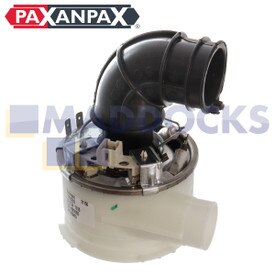
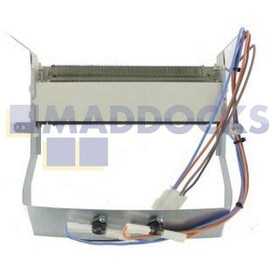
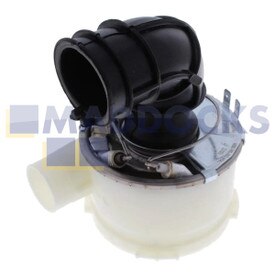
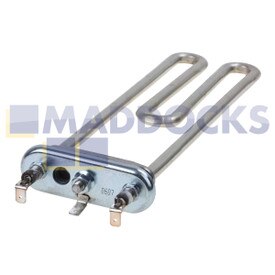
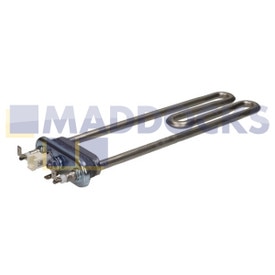
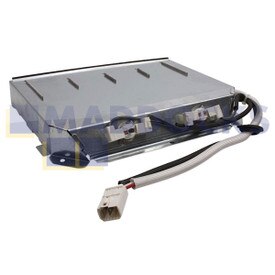
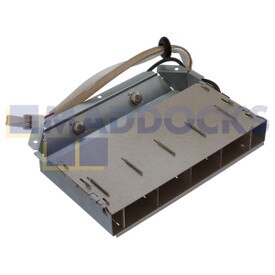

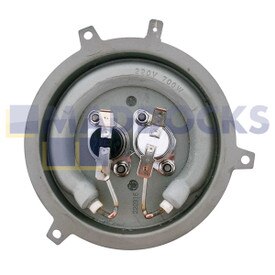
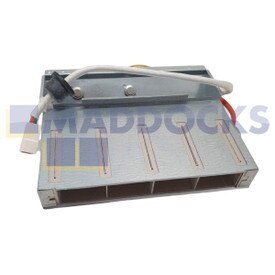
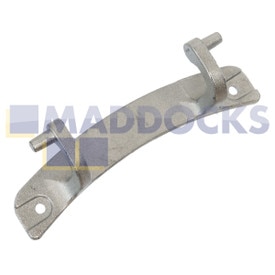
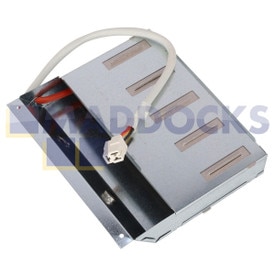
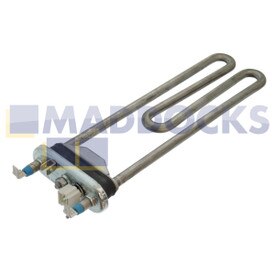
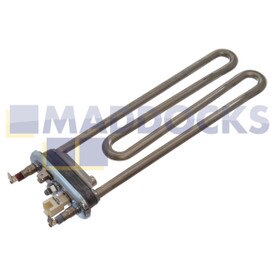
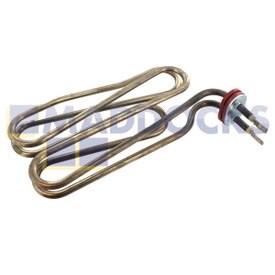
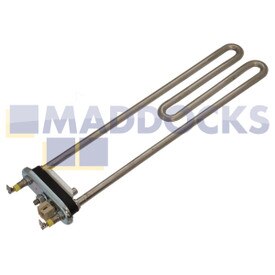
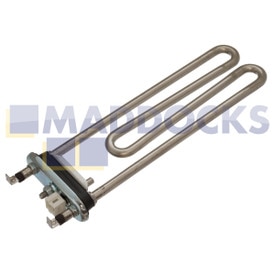
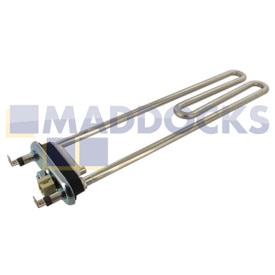
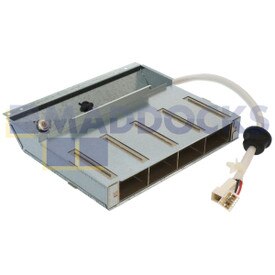
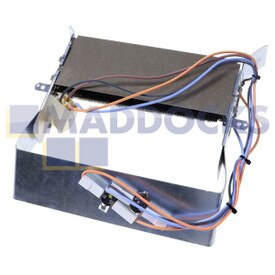
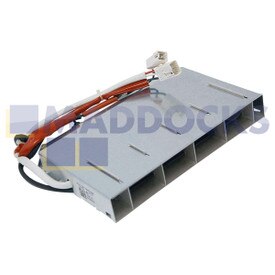
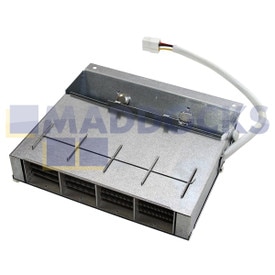
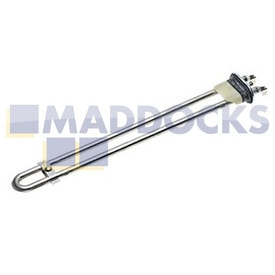
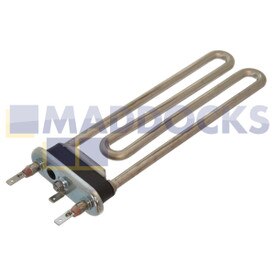
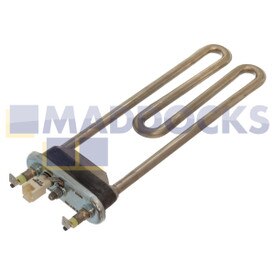
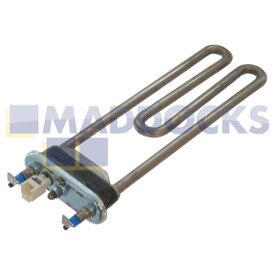
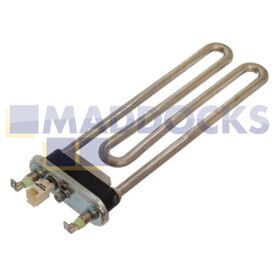
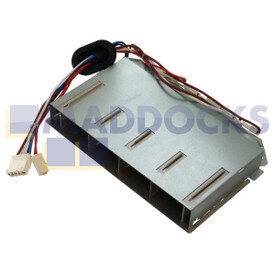
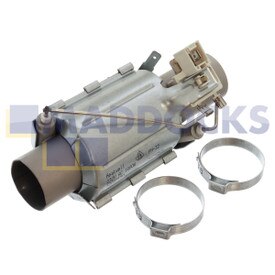
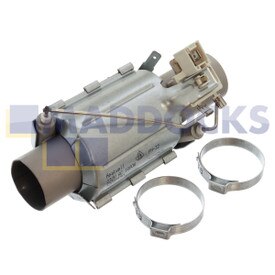
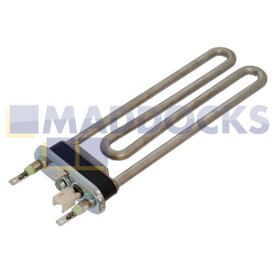
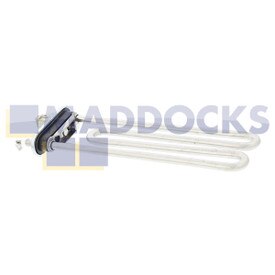
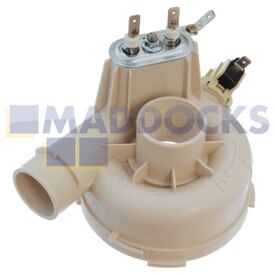

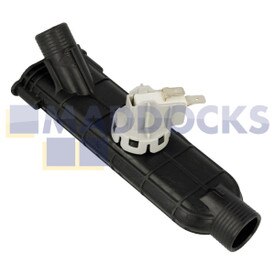
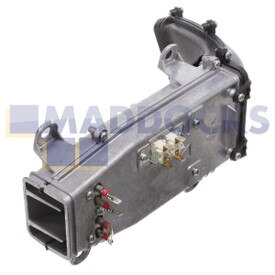


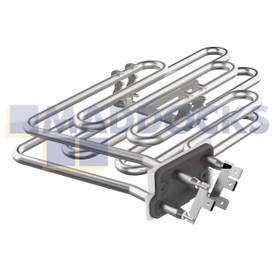
Use the complete appliance model and production details to identify the correct heater. Washing machines, washer dryers, tumble dryers and dishwashers use elements with different shapes, outputs and mounting arrangements, even when their electrical ratings appear similar.
Compare the wattage, voltage, dimensions, terminal positions and fixing points with the original part. Check whether the replacement includes an NTC sensor, thermal cut-outs, gasket or housing, as these components may be supplied separately on another version.
A failed element can cause poor washing, extended programmes, damp laundry or an appliance that runs without producing heat. However, temperature sensors, thermostats, thermal cut-outs, wiring, airflow restrictions and control faults can produce similar symptoms.
The element should be tested for both electrical continuity and insulation resistance before it is replaced. Heating circuits operate at mains voltage and high current, so testing and repair should be completed by someone with the appropriate equipment and experience.
Possible signs include an appliance that does not heat, takes longer to complete a cycle, leaves laundry damp or produces a heating-related fault code. A damaged element may also cause the electrical supply to trip, although these symptoms can have other causes.
No. The replacement must also have the correct physical shape, dimensions, terminal layout, mounting and electrical specification. Use the appliance model information and original part reference to confirm compatibility.
It depends on the product. Some heater assemblies include an NTC sensor or thermal cut-outs, while others contain only the element. Check the product description and images to confirm what is supplied rather than assuming the original components are included.
Yes. Deterioration inside an element can allow current to leak to earth, causing an RCD or other protective device to operate. Other electrical faults can do the same, so the circuit should be tested properly before a replacement part is ordered.